
My colleague had another walk-in case today.
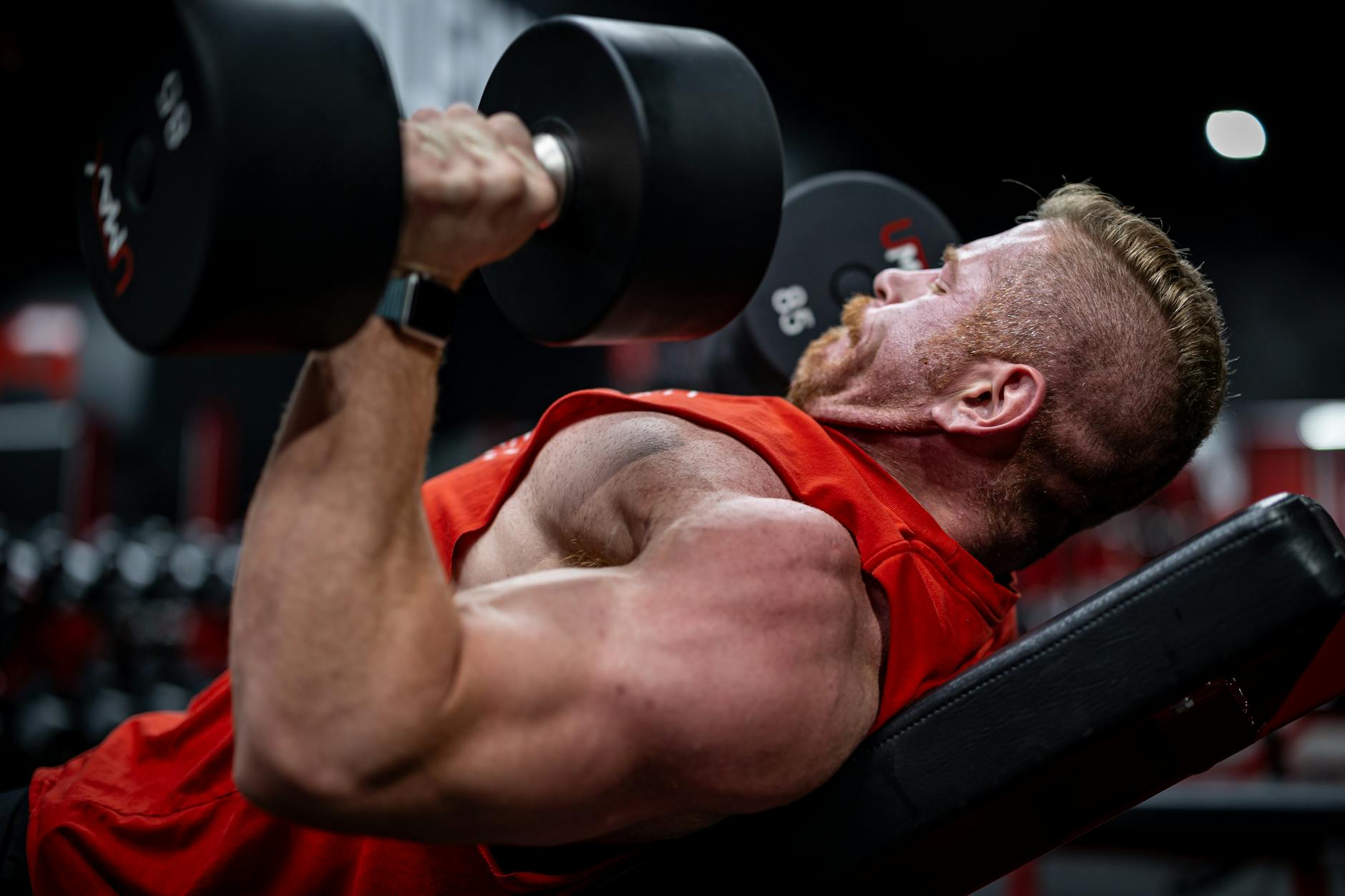
A fit-looking man in his 50s — clearly someone who spends a fair amount of time at the gym — came in saying that while doing his chest press, he suddenly felt a sharp pain in his shoulder. The pain shot down his arm, and he couldn’t even lift his hand past shoulder height.
Even when the therapist tried some gentle movements to help ease the pain, the range didn’t improve. The shoulder just couldn’t get past 90 degrees without that familiar wince.
My colleague was puzzled, but as soon as I heard the story, I said,
“Sounds like a full-thickness rotator cuff tear to me.”
How Shoulder Lifting Actually Works
Your shoulder isn’t just one joint doing all the work — it’s actually a team effort between three different joints:
- Glenohumeral joint (GHJ) – the ball-and-socket joint most people think of as the “shoulder.”
- Scapulothoracic joint (STJ) – where your shoulder blade glides over your rib cage. It’s not a true joint, but muscles keep it moving smoothly.
- Acromioclavicular joint (ACJ) – connects your collarbone to the tip of your shoulder blade.
When you raise your arm, each of these joints contributes a bit differently:
- 0–30°: Mostly your upper arm moves. The scapula and collarbone barely move.
- 30–90°: For every 2° your arm lifts, your shoulder blade rotates 1°, and your collarbone lifts about 15°.
- 90–180°: Your arm starts rotating outward to prevent pinching, while your scapula and collarbone keep moving and rotating together.
That smooth coordination is called scapulohumeral rhythm — and when it’s off, things start to hurt.
So What Happens When You Can’t Lift Past 90°?
If you can’t lift your arm higher than 90° because of pain, chances are the problem isn’t with the collarbone or the shoulder tip. It’s usually deeper — in the rotator cuff tendons that help stabilize the shoulder.
The Aging Factor
This isn’t a new discovery. Back in 1999, researchers scanned the shoulders of 411 middle-aged and older adults and found a clear pattern:
- In people aged 50–59, about 13% already had rotator cuff tears.
- 60–69: 20%
- 70–79: 30%
- 80+ years: more than half had tears — often without any symptoms!
So yes, even if your shoulders feel fine, time alone can wear those tendons down.
Back to Our Gym-Goer
For someone in his 50s who trains regularly, there’s a good chance he already had some wear and tear before this. Add heavy bench presses and repetitive training — one slightly over-stretched rep could be enough to cause a full tear.
Most rotator cuff surgeries are done on older adults with degenerative tears.
If it’s a traumatic tear — like a sudden injury from lifting — recovery is usually better because blood flow and inflammation help healing.
But if surgery is delayed for more than four months, the tendon and nearby muscles can start to shrink and stiffen, making recovery slower and harder.
What’s Next?
At this point, the best move is to see a doctor for an ultrasound or MRI to confirm what’s going on. Hopefully, it’s not as bad as it sounds — but it’s always better to check early than to wait and regret later.
References:
Abdelwahab, A., Ahuja, N., Iyengar, K. P., Jain, V. K., Bakti, N., & Singh, B. (2021). Traumatic rotator cuff tears – Current concepts in diagnosis and management. Journal of clinical orthopaedics and trauma, 18, 51–55. https://doi.org/10.1016/j.jcot.2021.04.013
Leave a Reply