
Recently, Taiwanese social media has been buzzing again about an old story from Japan.
About eight years ago, during a Japanese Ekiden (long-distance relay race), runner Iida Rei fractured her tibia mid-race. Instead of withdrawing, she chose to crawl to the finish line. At the time, the story went viral. Now, it’s back — once again being praised as the ultimate example of “sportsmanship.”
I’ve written before, both on my blog and in my book Sideline Notes of a Sports Physiotherapist, questioning whether her fracture might have been linked to underlying issues like amenorrhea, eating disorders, and osteoporosis — a well-known combination in sports medicine.
Yet years later, the narrative hasn’t changed. We’re still clapping. Still celebrating the pain.
And that made me uncomfortable.
A Familiar Story, This Time on Snow
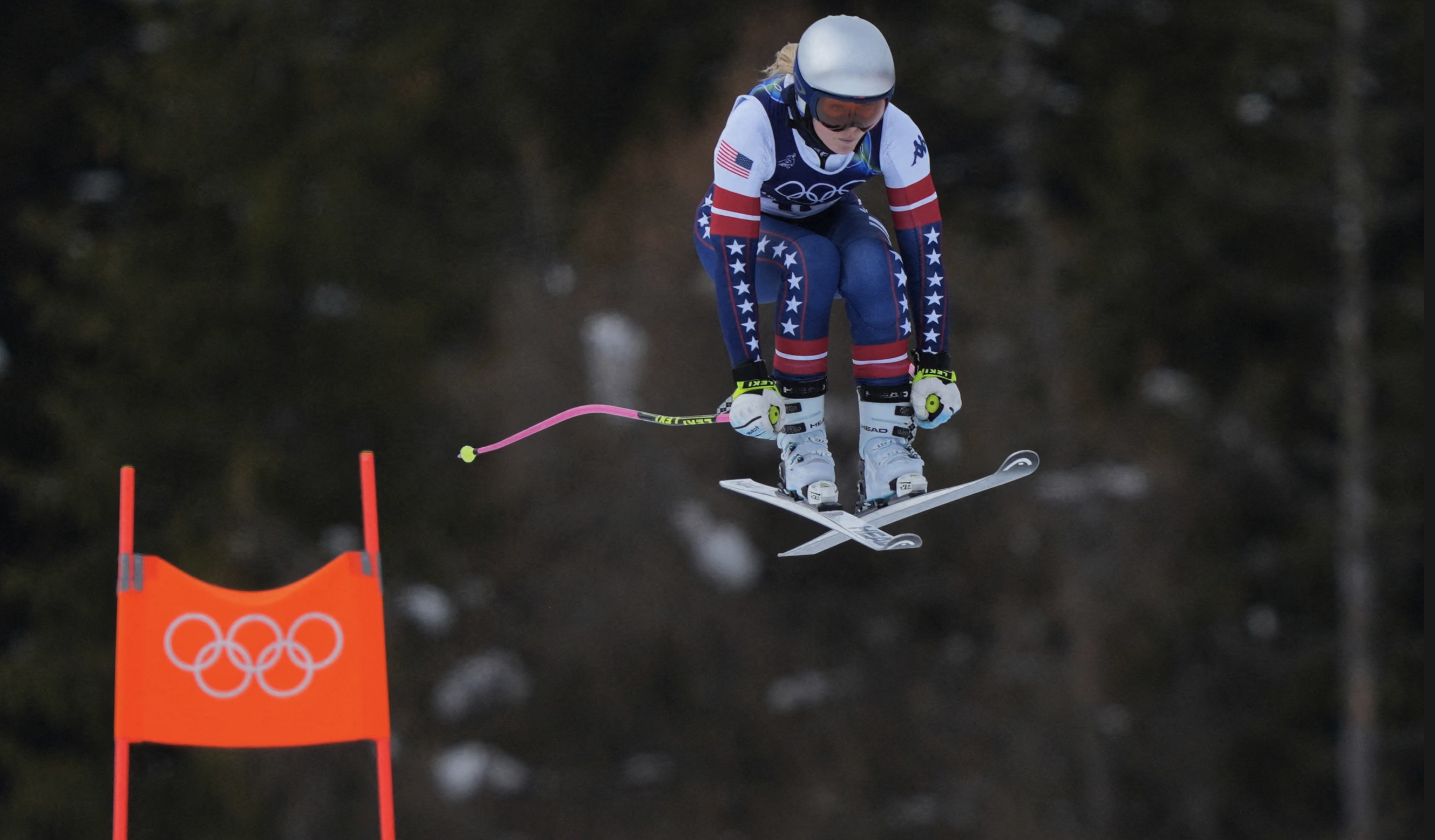
With the Winter Olympics kicking off, another injury story has captured attention — this time involving a global sports icon.
Lindsey Vonn hardly needs an introduction. She’s a downhill skiing legend, a multiple-time world champion and Olympic gold medallist. Her personal life has always been part of the media narrative too — divorced but keeping her ex-husband’s surname, and once famously dating golf legend Tiger Woods.
After years of battling injuries, she retired in 2019. Then last year, she announced a comeback, aiming for qualification for the 2026 Winter Olympics.
Just one week before the Olympic opening ceremony, she fell during a race in the Swiss Alps.
What We See — and What We Don’t
Elite athletes live in a different world.
A helicopter evacuation. Immediate hospital admission. Straight into an MRI scanner. The diagnosis came back quickly — and it wasn’t minor:
- A ruptured ACL in her left knee
- A meniscus injury
- Associated bone bruising
After discussions with her doctors, physiotherapists, and coaching team, Lindsay Vonn decided to compete anyway.
What we see on social media are inspirational rehab clips. Sweat. Determination. Resilience.
What we don’t see is the weight of that decision.
Why Everyone Is Applauding
Just like Iida Rei, Lindsey Vonn has received enormous praise for choosing to compete while injured.
This fits perfectly into a familiar sporting myth — the same one Americans celebrate when they talk about Kerry Strug at the 1996 Atlanta Olympics, landing a vault on an injured ankle to secure a historic team gold medal.
Push through the pain. Finish the race. Don’t quit.
That’s the version of “sportsmanship” many of us grew up with.
But Let’s Be Honest About the Pressure
We don’t know how much pressure was involved in this decision.
Lindsey Vonn is the face of the U.S. Winter Olympics this year. Sponsors are ready. Marketing campaigns are already rolling. Millions of viewers are waiting. And then there’s her own identity — built over decades as an elite athlete who never backs down.
At some point, courage and pressure start to blur into each other.
Can an Injured Athlete Really Compete Safely?
From a medical perspective, returning to competition after injury isn’t just about willpower.
It usually comes down to three things:
1️⃣ Has the injured tissue actually healed?
Even with the most advanced treatments — yes, including stem cell therapies or the latest cross bracing protocol — conservative management of an ACL injury takes at least three months before meaningful healing can occur.
Healing doesn’t speed up just because you’re famous.
2️⃣ What does the sport demand?
Downhill skiing is brutal. Speeds exceed 130 km/h, and landings can load the knee with three to four times body weight. All this happens with minimal protective reflexes.
An ACL-deficient knee doesn’t magically become stable just because the Olympics are starting.
3️⃣ How much risk is acceptable?
In elite sport, there’s a saying: “Sometimes you rest so you can go further.”
But Lindsey Vonn’s history makes this decision uniquely complicated.
She’s had five surgeries. Her other knee has already undergone a partial joint replacement — some fans jokingly call her a “titanium bone warrior.”
- In 2006, she injured herself two days before the Turin Olympics and reportedly escaped the hospital in a patient gown just to race.
- In 2010, she revealed she had been diagnosed with a tibial stress fracture only a week before the Vancouver Olympics — and still won gold.
Time and again, people doubted her. Time and again, she proved them wrong.
You could argue this is survivorship bias. But you also can’t deny that, at critical moments, she has gambled on herself — and won.
But This Time, There’s No “Next Time”
This year, Lindsey Vonn is 41 years old.
Can she create one last miracle? Maybe.
But this is almost certainly her final Olympic appearance as an athlete. There is no backup plan. No future comeback.
When there is no “next time,” risk takes on a very different meaning.
A Much Quieter Conversation in My Clinic
All of this reminds me of a moment in my own practice.
I once treated a high-school athlete diagnosed with a stress fracture just days before an inter-school competition. The student asked me whether they should withdraw.
I asked them a simple question instead:
“Is this competition truly a once-in-a-lifetime event that you must compete in, no matter the cost?”
Most of the time, the answer becomes clear. They withdraw. They rest. They rehabilitate.
And that choice — boring, quiet, unphotographed — is also a form of courage.
It just doesn’t go viral.
Leave a Reply